Dr. Shwetha Jain is highly experienced and has performed over 10000+ Phaco and MICS cataract surgery procedures in Bangalore

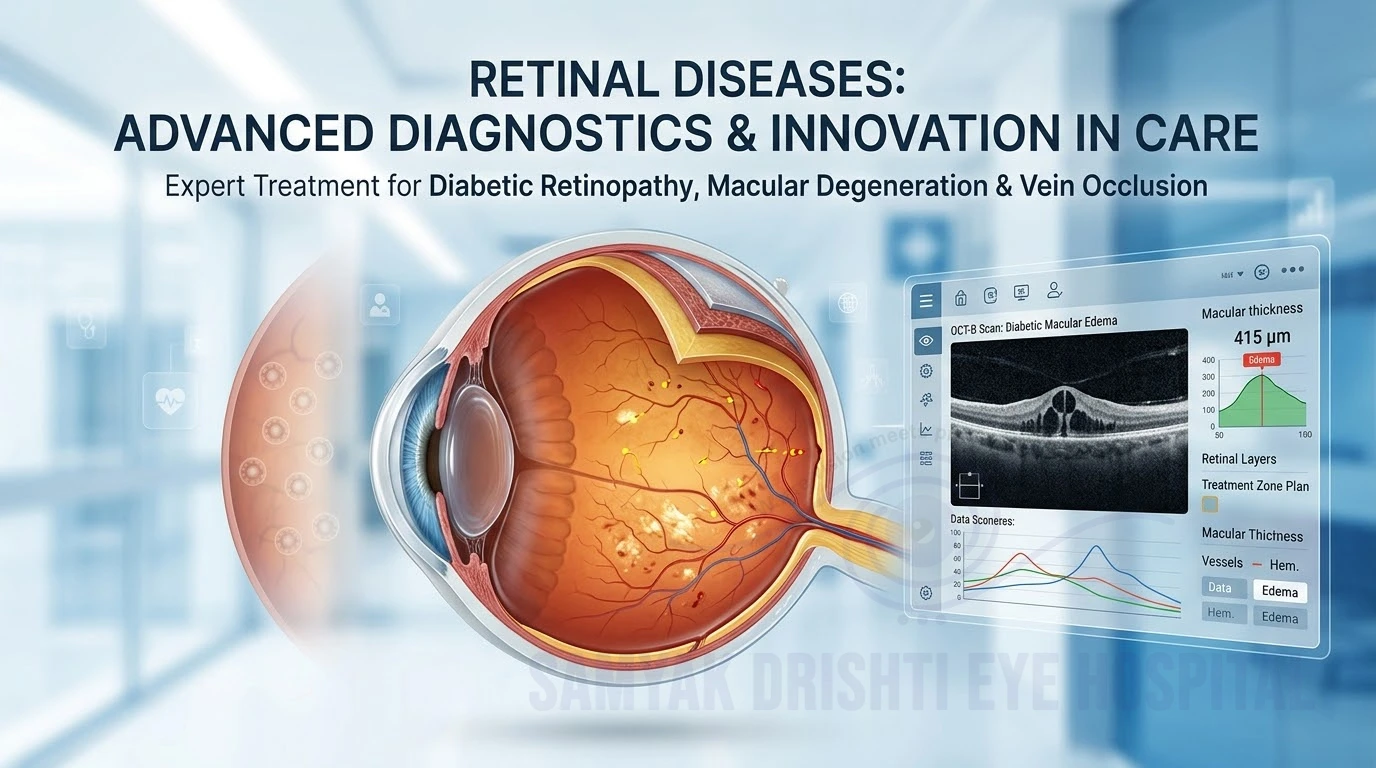
Retinal diseases such as diabetic retinopathy can damage vision but can be managed with timely treatment.
The retina is the light-sensitive tissue at the back of the eye responsible for capturing images and sending visual signals to the brain. Diseases affecting the retina can lead to severe vision loss if not diagnosed and treated early.
Vitreo-retinal services focus on diagnosing and treating conditions affecting the retina and the vitreous gel inside the eye.
At Samyak Drishti Eye Hospital in South Bangalore, retinal care includes advanced diagnostic evaluation and treatments such as vitrectomy surgery, retinal detachment repair, and intravitreal injections.
Timely diagnosis and treatment are essential to protect retinal health and preserve vision.
Vitreo-retinal diseases affect the retina or the vitreous, the clear gel that fills the inside of the eye.
These conditions can disrupt how light is processed by the retina and transmitted to the brain.
Common retinal diseases include:
Many of these conditions require specialized retinal treatment or surgery to prevent permanent vision loss.
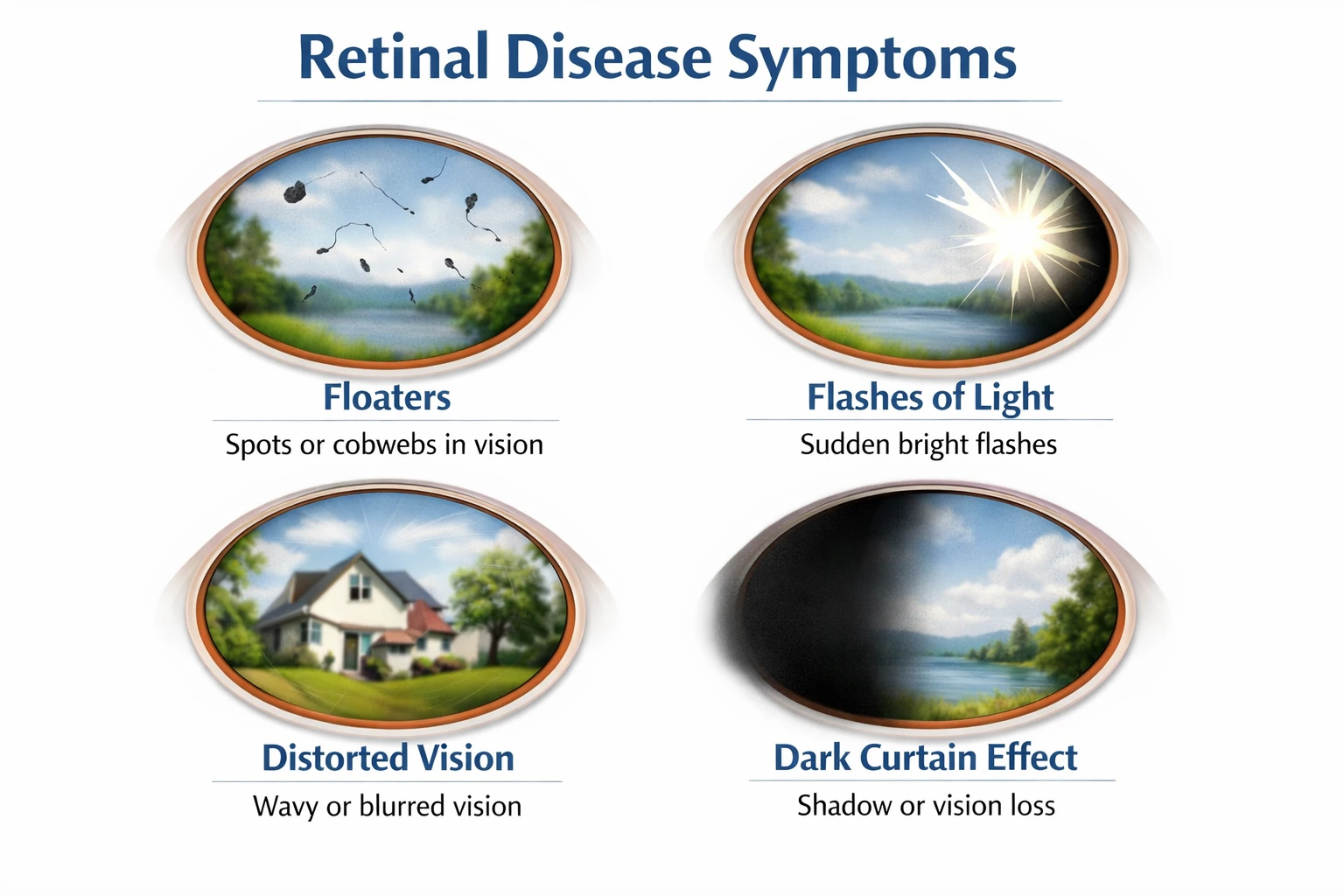
Retinal diseases may cause floaters, flashes, and sudden vision changes.
Retinal conditions can produce several visual symptoms that should not be ignored.
Common warning signs include:
Any sudden change in vision should be evaluated by a retina specialist immediately.
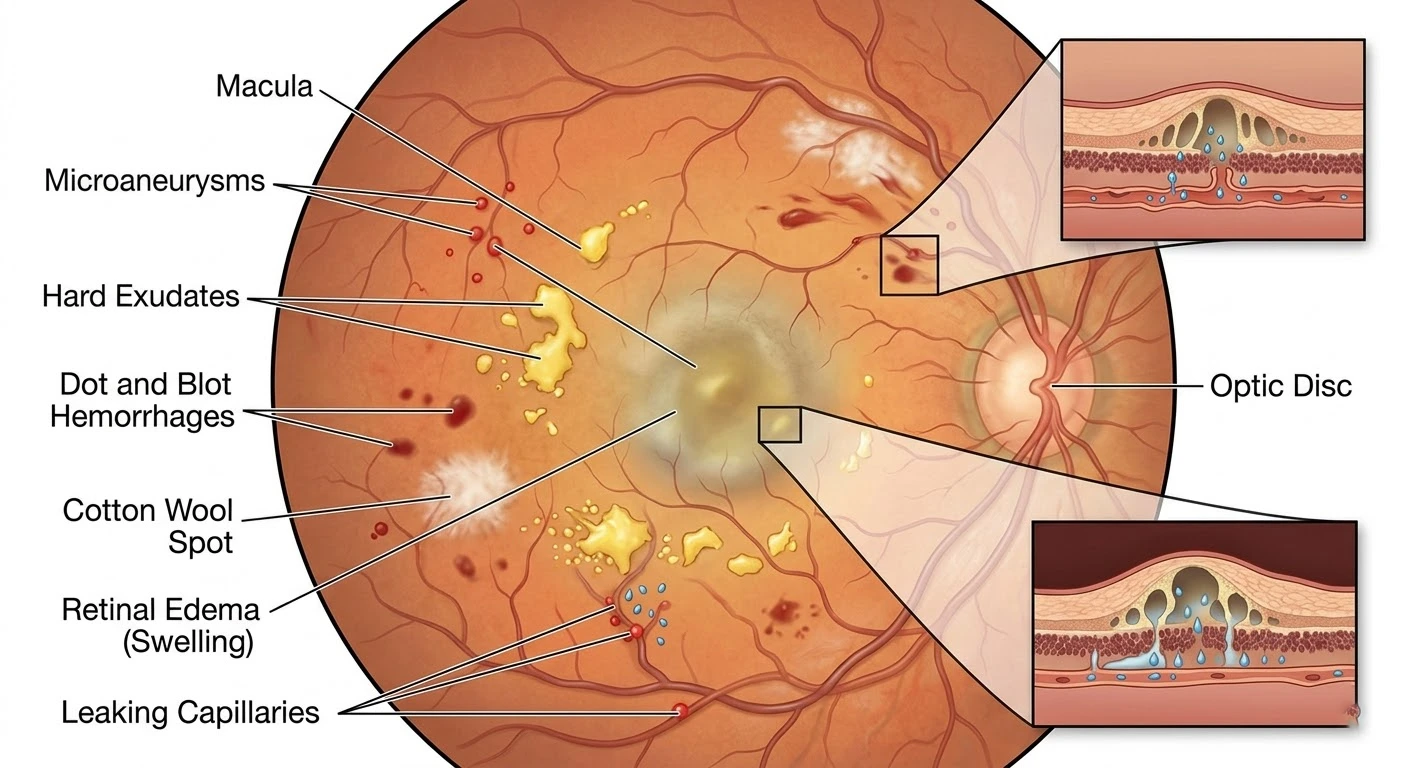
Diabetic retinopathy damages retinal blood vessels and can lead to vision loss if untreated.
Diabetic retinopathy is one of the most common causes of vision loss among people with diabetes. It occurs when high blood sugar levels damage the blood vessels in the retina.
In the early stages, diabetic retinopathy may not cause noticeable symptoms. As the disease progresses, it can lead to retinal swelling, bleeding, and vision impairment.
Common symptoms may include:
Regular retinal screening for diabetic patients is essential to detect diabetic retinopathy early.
Treatment options for diabetic retinopathy may include:
Early treatment can help prevent severe vision loss and protect retinal function.
Vitreo-retinal specialists manage several other retinal disorders.
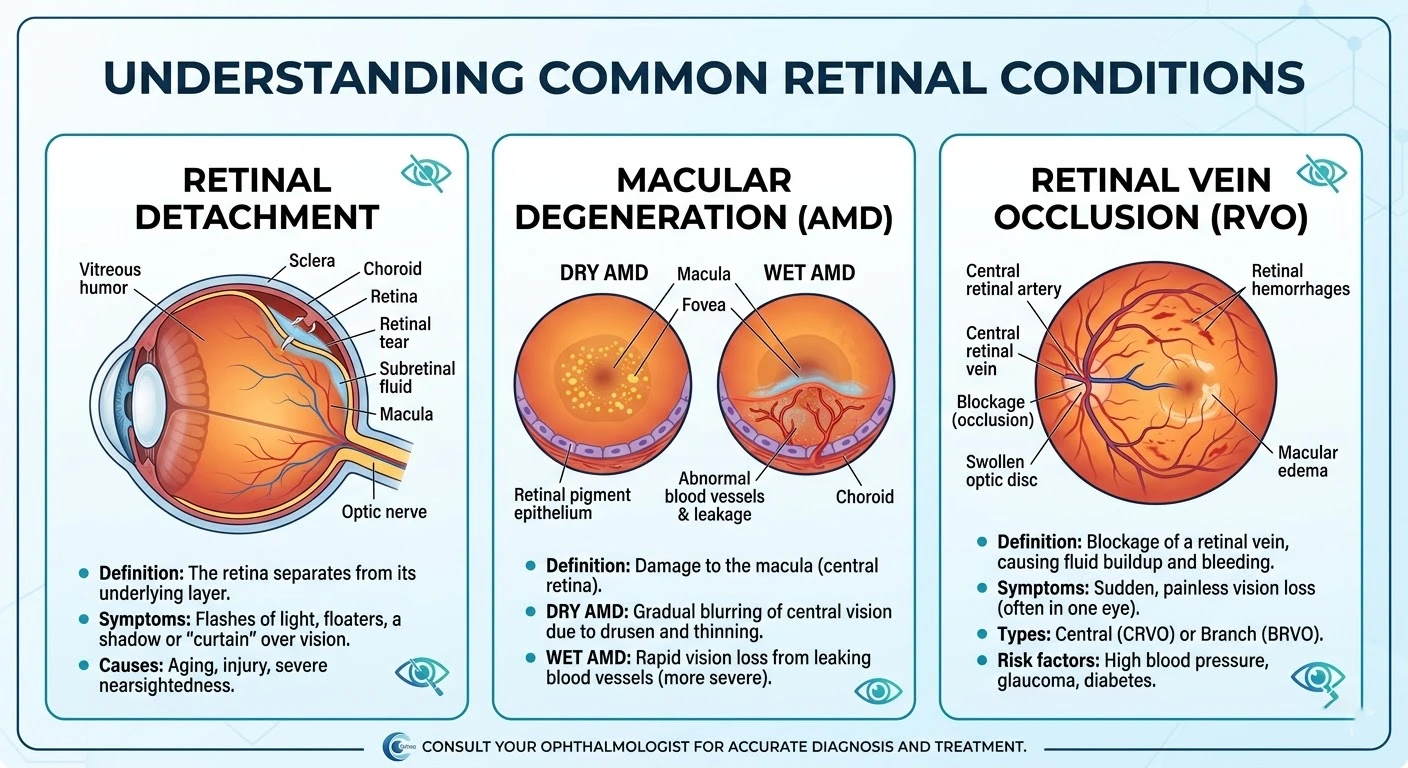
Retinal conditions such as detachment and macular degeneration can affect vision significantly.
Retinal detachment occurs when the retina separates from the underlying tissue that supports it.
Symptoms may include:
Retinal detachment is considered an eye emergency and requires immediate surgical treatment.
Macular degeneration affects the central portion of the retina known as the macula, which is responsible for detailed vision.
This condition may cause:
Treatment may involve intravitreal injections to control disease progression.
Retinal vein occlusion occurs when blood flow through the retinal veins becomes blocked.
This can cause:
Treatment often includes intravitreal injections to reduce retinal swelling.
Diagnosing retinal diseases requires specialized imaging and examination.
At Samyak Drishti Eye Hospital, retinal evaluation may include:
These tests help retina specialists detect retinal damage and plan appropriate treatment.
Treatment for retinal diseases depends on the underlying condition and severity.
Modern vitreo-retinal care includes surgical procedures and minimally invasive injections.
Vitrectomy is a microsurgical procedure used to treat several retinal conditions.
During vitrectomy, the surgeon removes the vitreous gel from the eye to gain access to the retina and repair retinal damage.
Vitrectomy may be recommended for:
Retinal detachment surgery is performed to reposition the detached retina and secure it in place.
This procedure may involve:
Prompt treatment significantly improves the chances of vision recovery.
Intravitreal injections deliver medication directly into the vitreous cavity of the eye.
These injections are commonly used for conditions such as:
Intravitreal injections help reduce retinal swelling and protect vision.
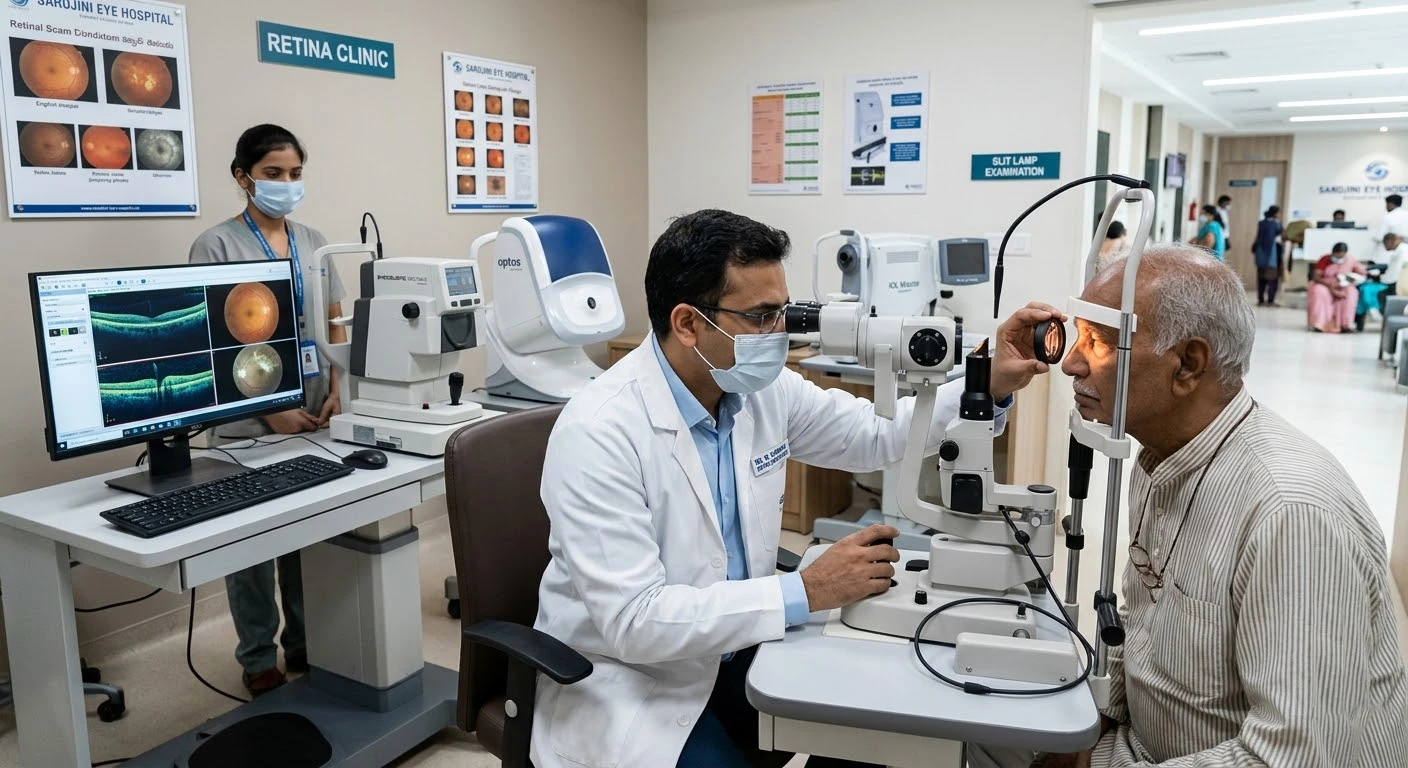
Comprehensive retinal evaluation helps detect and manage retinal diseases early.
At Samyak Drishti Eye Hospital in South Bangalore, retinal care focuses on early detection and personalized treatment.
Our retina services include:
Our goal is to protect retinal health and preserve vision through timely treatment.
You should consult a retina specialist if you experience:
Early diagnosis greatly improves the chances of successful treatment and vision preservation.
Vitreo-retinal diseases require specialized expertise and careful monitoring.
At Samyak Drishti Eye Hospital, retinal conditions are managed by experienced eye specialists trained in diagnosing and treating complex retinal disorders.
Our specialists use advanced diagnostic imaging and modern treatment techniques including vitrectomy surgery, retinal detachment repair, and intravitreal injections to protect vision and improve visual outcomes.

Retina Specialist
Frequently Asked Questions About Retinal Diseases
Diabetic retinopathy is a complication of diabetes that damages the blood vessels of the retina and can lead to vision loss if untreated.
Yes. Retinal detachment requires immediate treatment to prevent permanent vision loss.
Intravitreal injections are commonly used retinal treatments and are generally safe when performed by a retina specialist.
Many retinal diseases can be managed effectively if detected early and treated appropriately.
People with diabetes should undergo a retinal examination at least once a year or as advised by their eye specialist.
Early diagnosis is essential to prevent vision loss caused by retinal diseases.
If you have diabetes, sudden vision changes, or symptoms of retinal disease, schedule a retina examination at Samyak Drishti Eye Hospital.